



AREC have recently formed a Rapid Deployment Team, who will support Nationwide with severe weather and emergency events around the country. The purpose of the team is to provide or rapidly re-establish critical communications for partner agencies during response and early recovery phases of an incident.
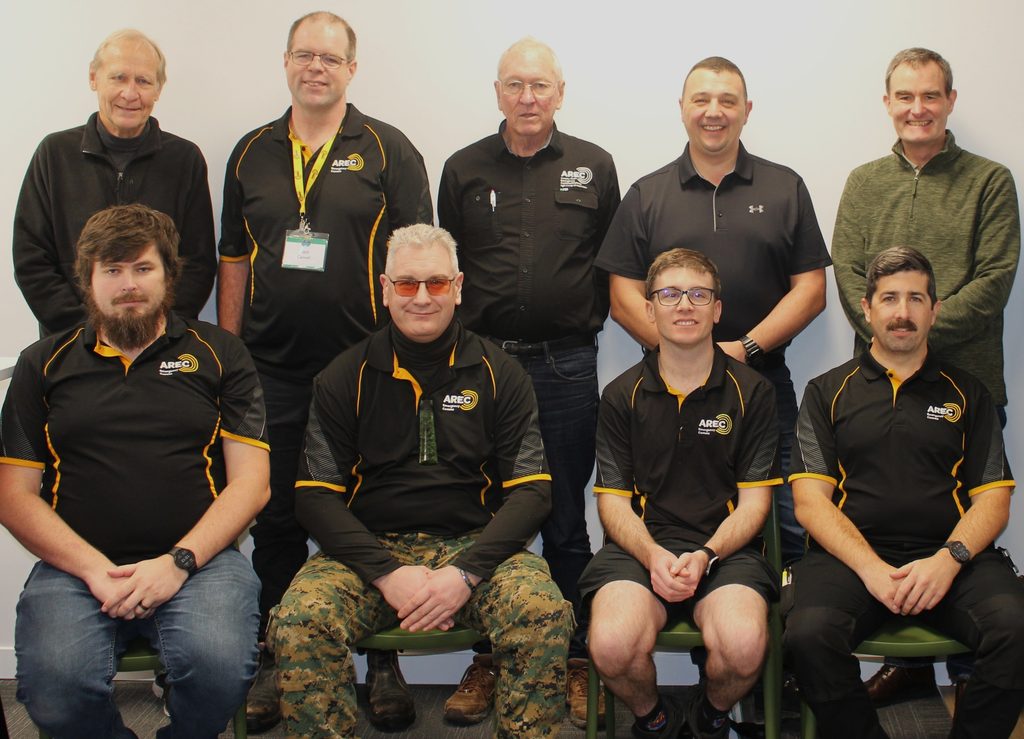
The Rapid Deployment Team at a training session held at Massey University and run by RRANZ
With an increasing number of weather-related events happening around New Zealand, the organisation found that even with groups located around the country, there is often a need to bring in additional volunteers to support when regions are facing widespread damage.
AREC National Support Manager Duncan Tabor says the new initiative will fill critical gaps and ensure there are sufficient numbers during an emergency event,
“We had volunteers supporting with communications during Cyclone Vaianu, and had people travelling from as far as 3.5 hours away to help out. We’re grateful our people are willing to travel such a distance to help out another community, whilst also being conscious that during a widespread weather event, it’s not always going to be possible. As the name suggests, this team will come together quickly, armed with everything they need to go and get the work done, during a time when the community and our partners are relying on us.”
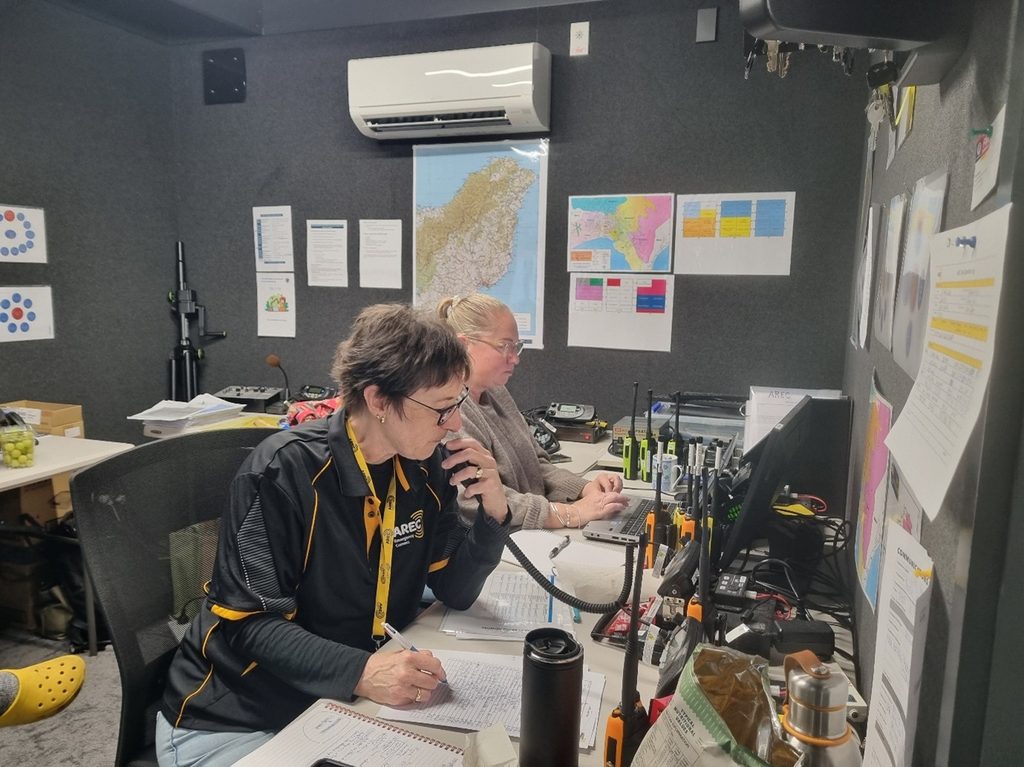
AREC volunteers supporting with communications during Cyclone Vaianu
The Rapid Deployment Team, currently consisting of nine CIMS trained volunteers, are equipped with three brand new trailers, basic survival gear, and all of the communications equipment they may need to ensure response teams can pass information when traditional communications options are unavailable.
Tabor says it’s been a huge milestone for the organisation to get the team formed and ready to support the community.
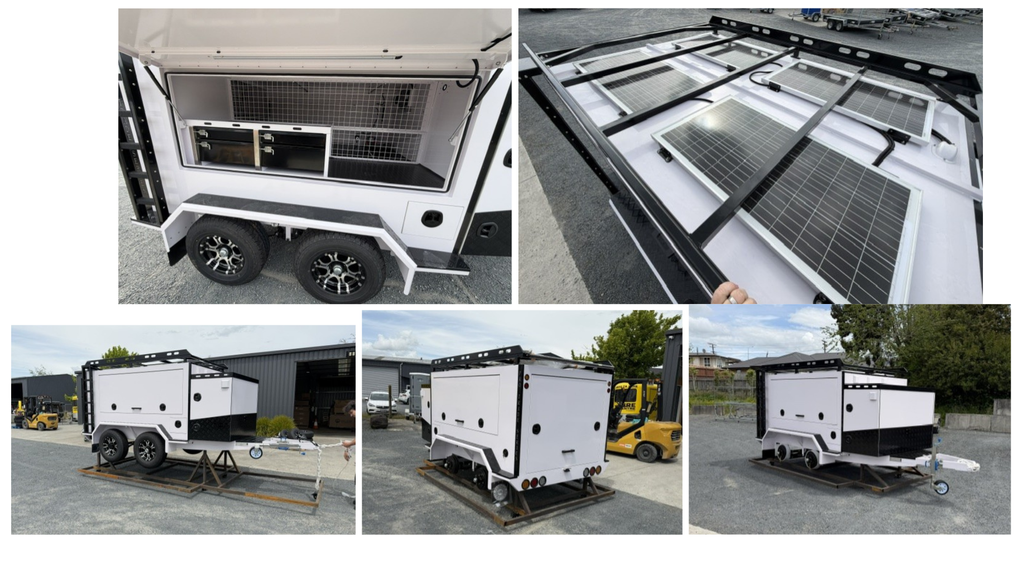
Rapid Deployment Team trailer designed by Fortress
“It’s been months of training the team, working out our processes, and acquiring equipment from around the world. We are at the final stages now, so it’s exciting to see everything coming together. We want the team to be able to go where they are needed, and not have to rely on compromised infrastructure or facilities, so they are very much self-sufficient in terms of the gear they have onboard.”
The team will join other AREC volunteers over 14th and 15th November for an internally run communications exercise, testing out the new equipment and their processes.